
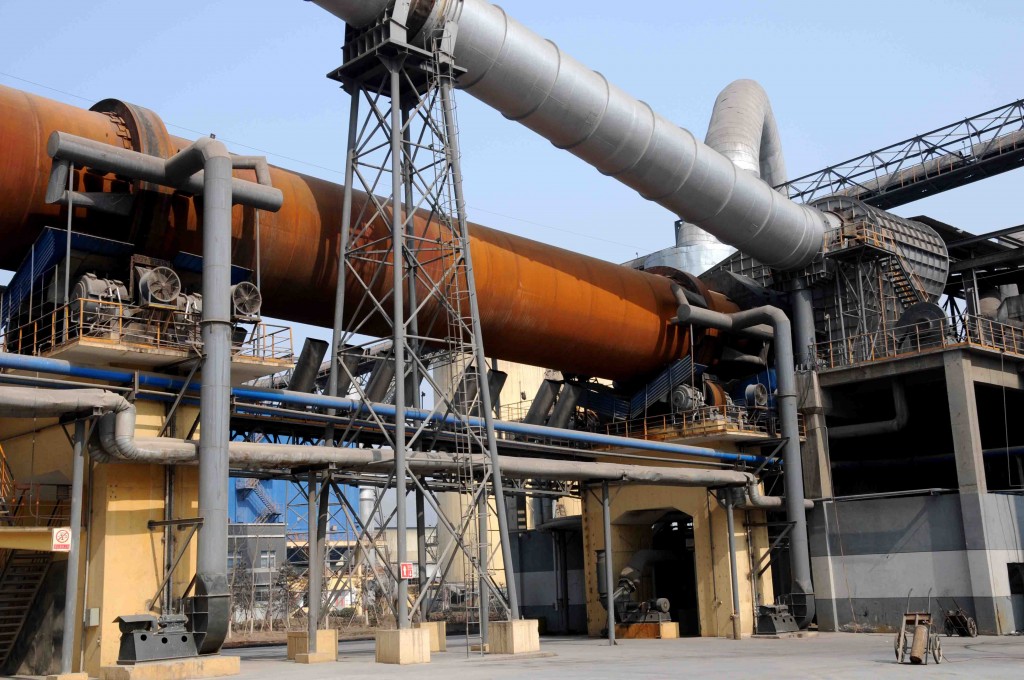
Rotary kilns and clinker coolers are installed all over the world to produce cement and lime products for the construction industry. Recovering waste heat from the kiln and cooler exhausts and generating on site low carbon electricity can reduce a plants carbon emissions and reliance on grid electricity by 30%.
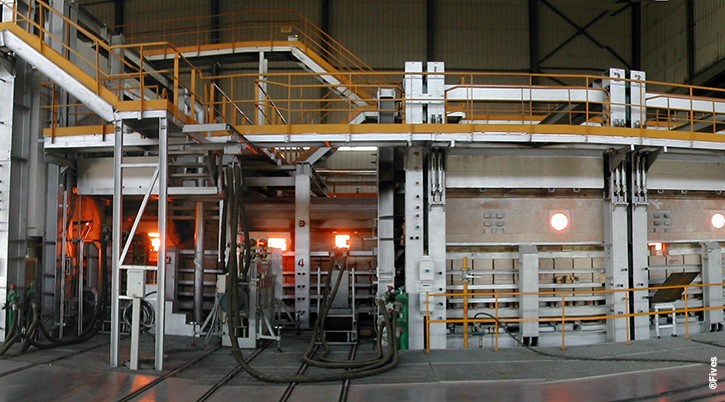
Valuable waste heat can be recovered from furnaces producing float glass, container glass and glass fibre products to generate low carbon electricity for the process. Installing a bypass duct in the exhaust of the furnace and or annealing process fitted with a heat exchanger can heat the working fluid of an ORC without effecting the glass production process.
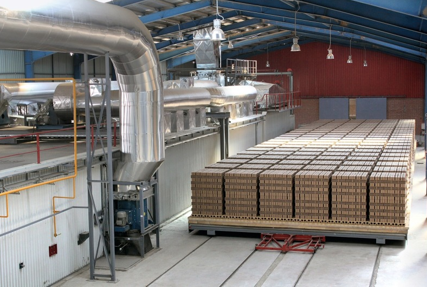
The ceramic industry uses tunnel kilns for brick and tile firing, the product is preheated, enters the firing zone than rapidly cooled. The heat from the cooling zone is recovered to the dryers and the waste heat form the exhaust gas provides an additional source of heat recovery for preheating combustion air or generating low carbon electricity with an ORC for the site, significantly reducing carbon emissions and the sites electrical operating costs.
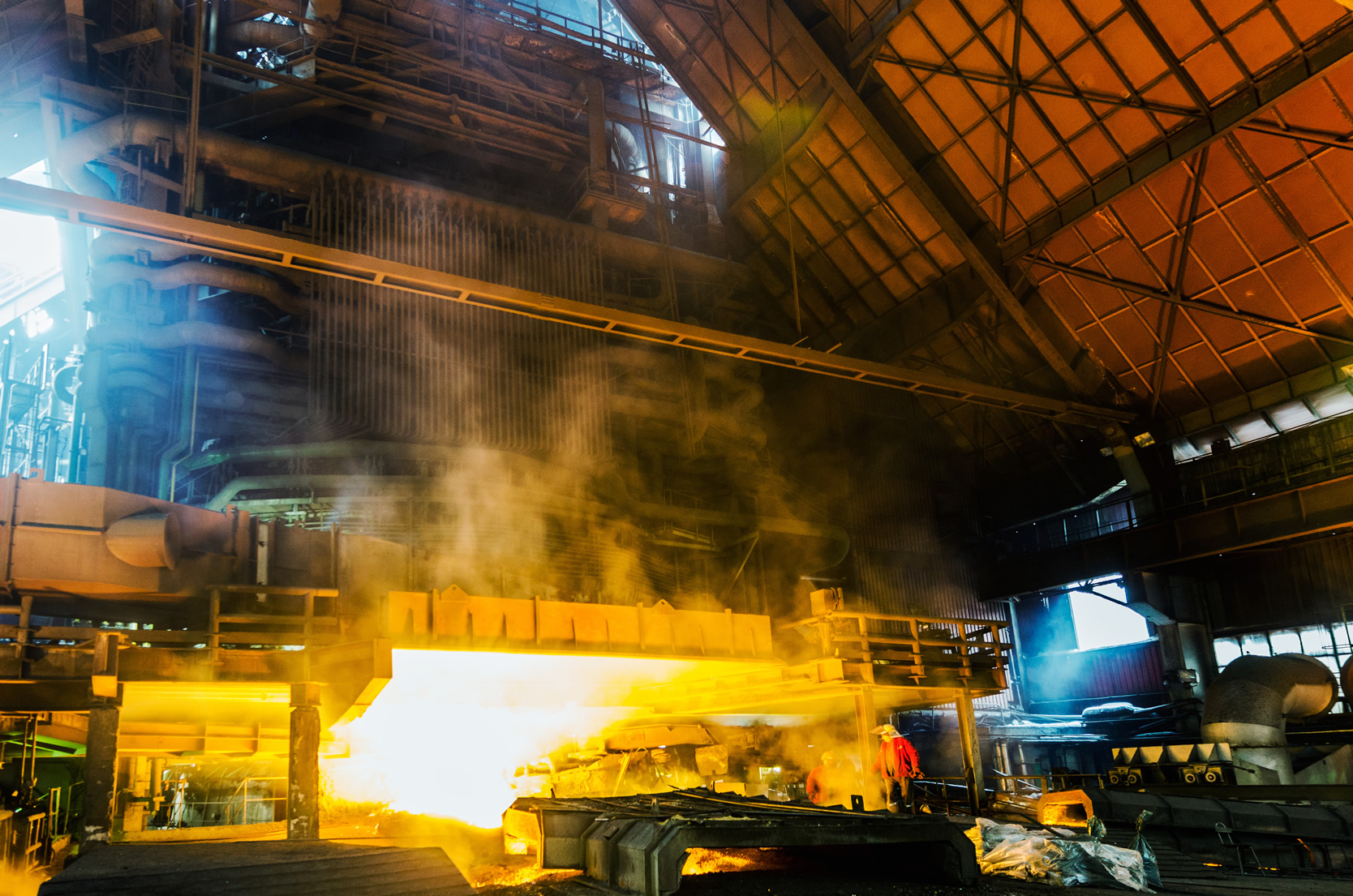
The steel and metal industry use large quantities of fossil fuels in their Reheat Furnaces to produce shaped extrusions such as bar and beams. Recovering the large amounts of waste heat from the furnace exhaust to an ORC to generate low carbon electricity for the sites production process will reduce the sites electrical grid demand and associated carbon emissions. The reheat furnaces are mainly gas fired with the exhaust gasses being cleaner than the smelting process resulting in the ease of integration of a heat exchanger into the process.
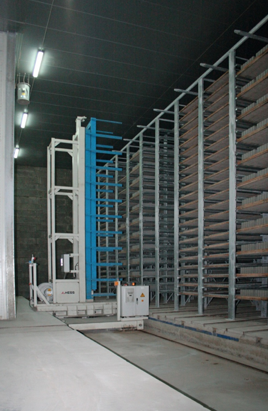
Cement Tiles and Blocks are cured in chambers at a temperature above 40 °C for periods over 8 hours. These curing chambers have hot water circuits heated by natural gas or gas oil fired boilers. Replacing the boilers with High Temperature Heat Pump systems switches away from fossil fuels to low carbon electricity, decarbonising the process.
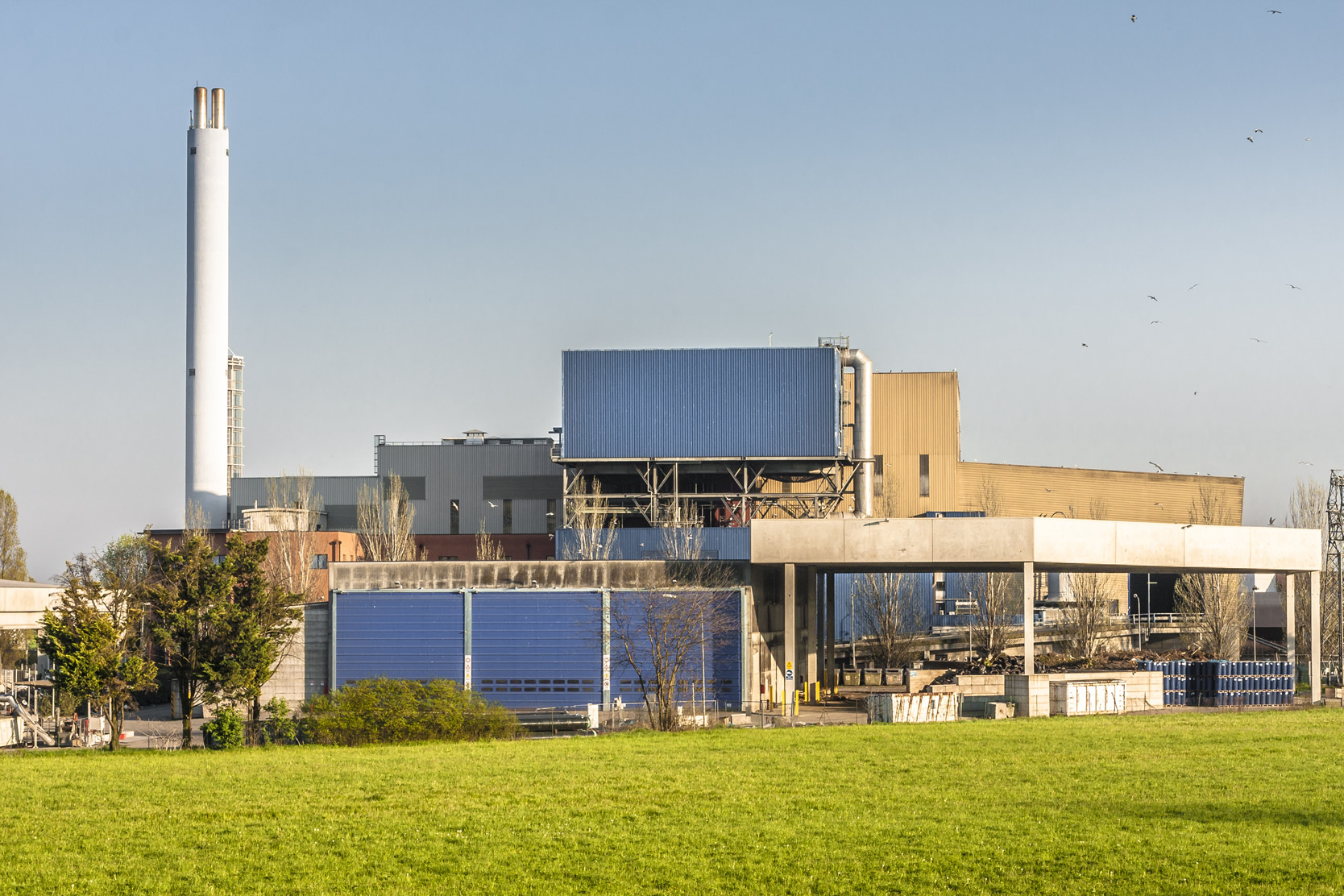
Waste incineration plants are usually built in a location that can produce hot water or steam for a district heating system. Where medical or specialist incinerators are built away from a local demand for the heating, installing a Waste Heat Recovery system provides a solution that converts the heat to useful low carbon electricity, significantly reducing a plants carbon emissions and electrical demand from the grid supplier.
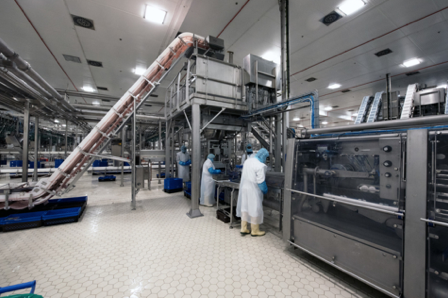
Food manufacturers processing meat require significant amounts of hot water for washing, hot water is provided by fossil fuel boilers. The food product is also chilled and a significant amount of low temperature heat is rejected from the chilling process. Installing a High Temperature Heat Pump that recovers the low grade heat rejected from the chilling process and increases the heat to produce hot water above 70 °C, decarbonises the food manufacturing process.